
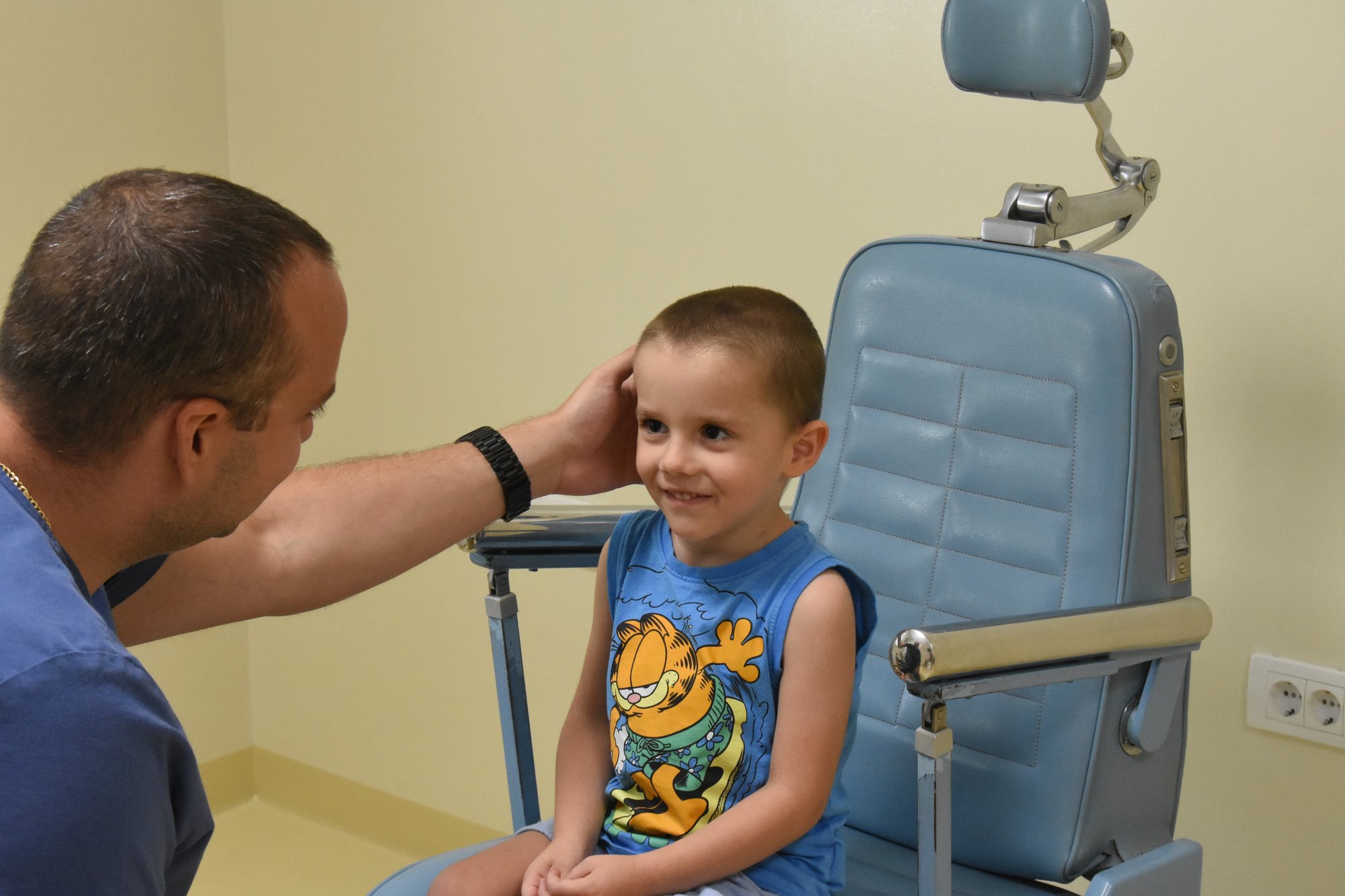
Pediatric ENT
Pediatric ENT — examination, diagnostics, and consultation
Our own operating room, a pediatric anesthesiologist, and a team that works with children of all ages — examinations, hearing diagnostics, endoscopic exam of tonsils and adenoids, and a second opinion before any surgical procedure.
Pediatric
anesthesiologist
Our own
operating room
Recovery
suite
Three ENT
specialists
ENT exam in children — patient, calm, and thorough
Examining a child is not the same as examining an adult. We make sure every child feels safe — calm pace, no rush, with the parent right there. The exam covers all standard ENT areas: ears, nose, and throat, with hearing diagnostics when needed.
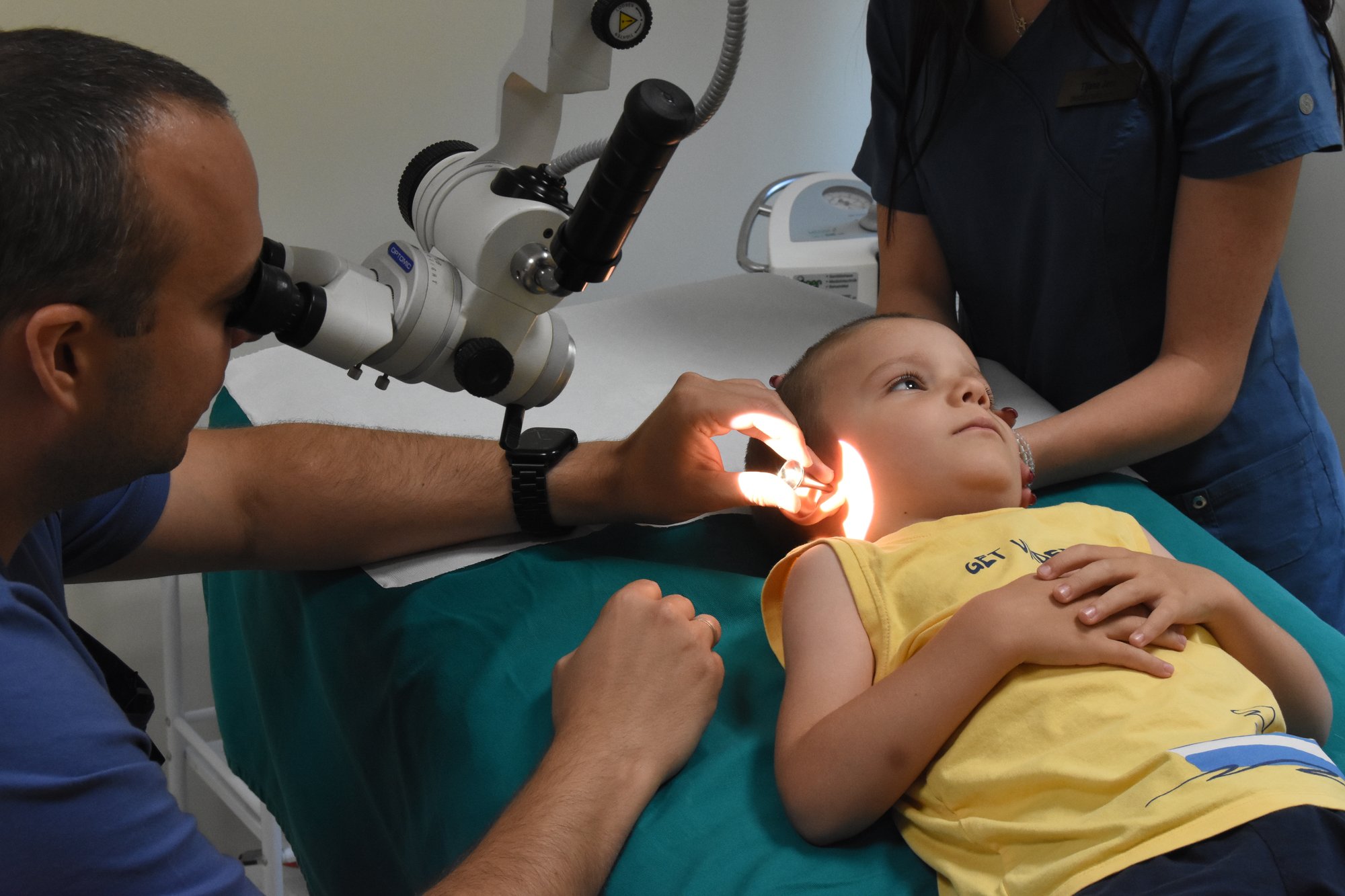
Ear exam — under microscope
Microscope exam of the eardrum — the most precise way to identify middle-ear infection, perforation, or fluid behind the eardrum.
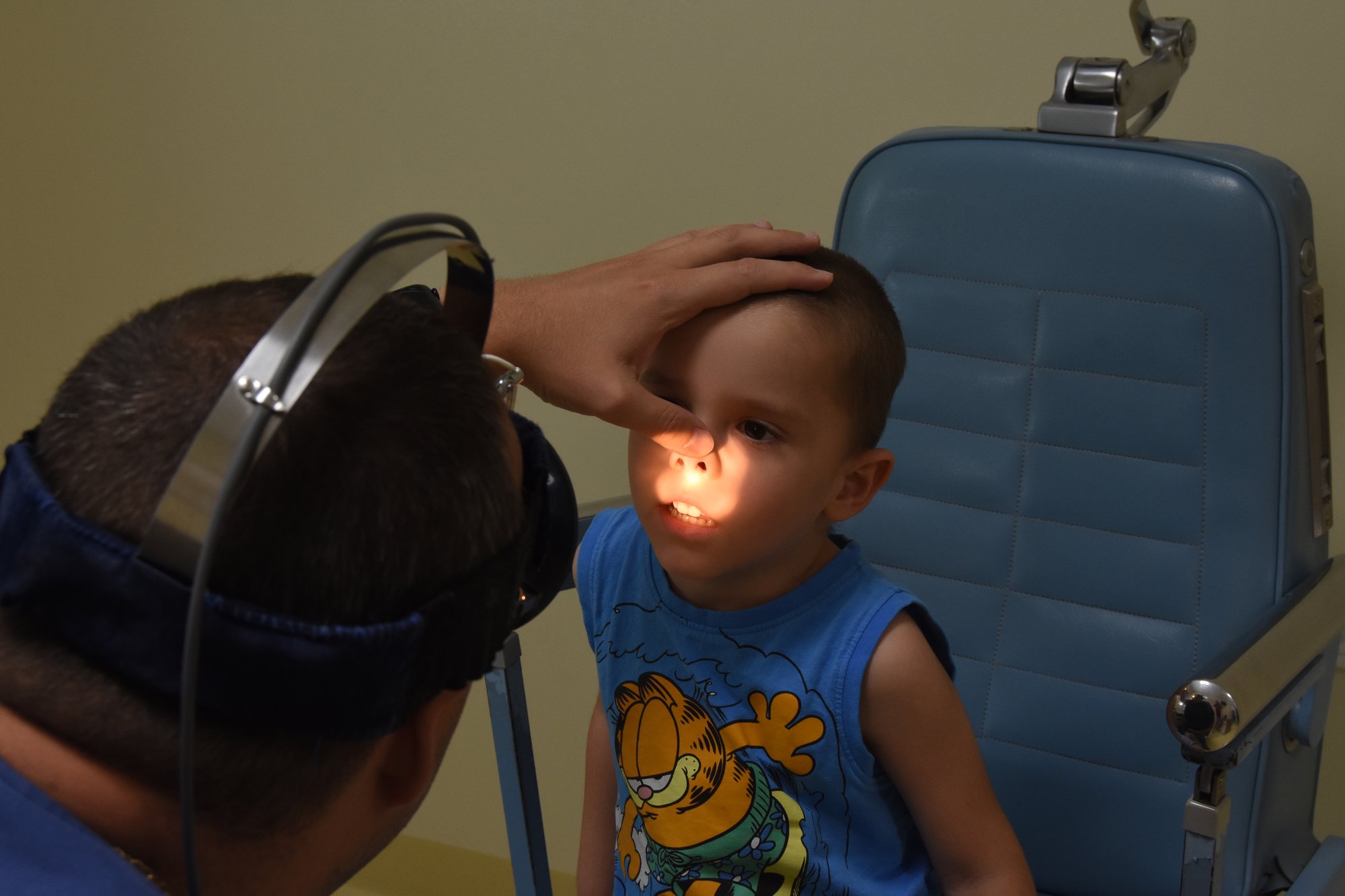
Nose & adenoid exam
Endoscopic exam of the nose and pharynx — direct view of the adenoid without X-rays and without radiation exposure for the child.
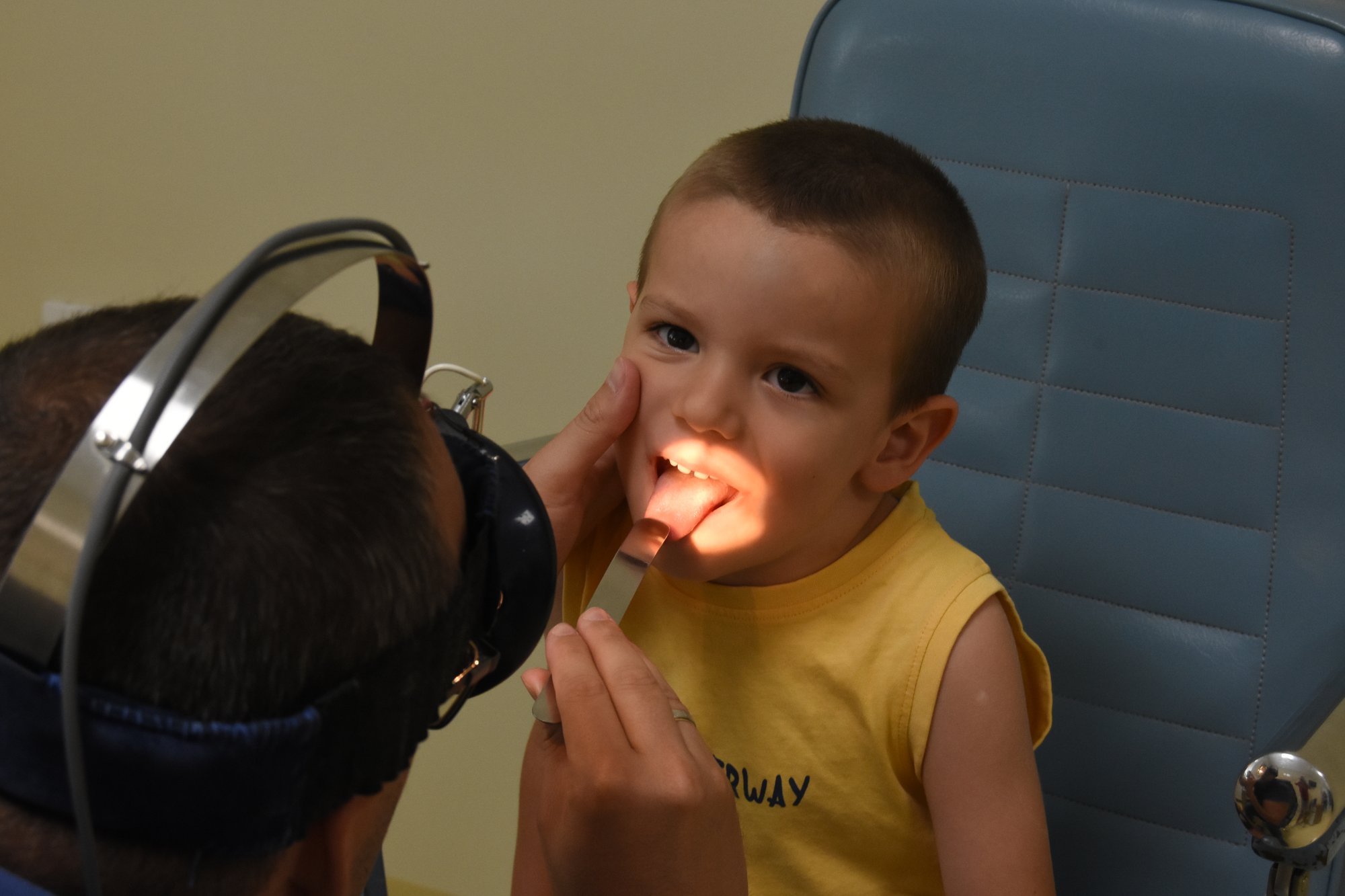
Throat and tonsil exam
Assessment of the tonsils for recurrent sore throats, snoring, difficulty swallowing, or mouth breathing during sleep.
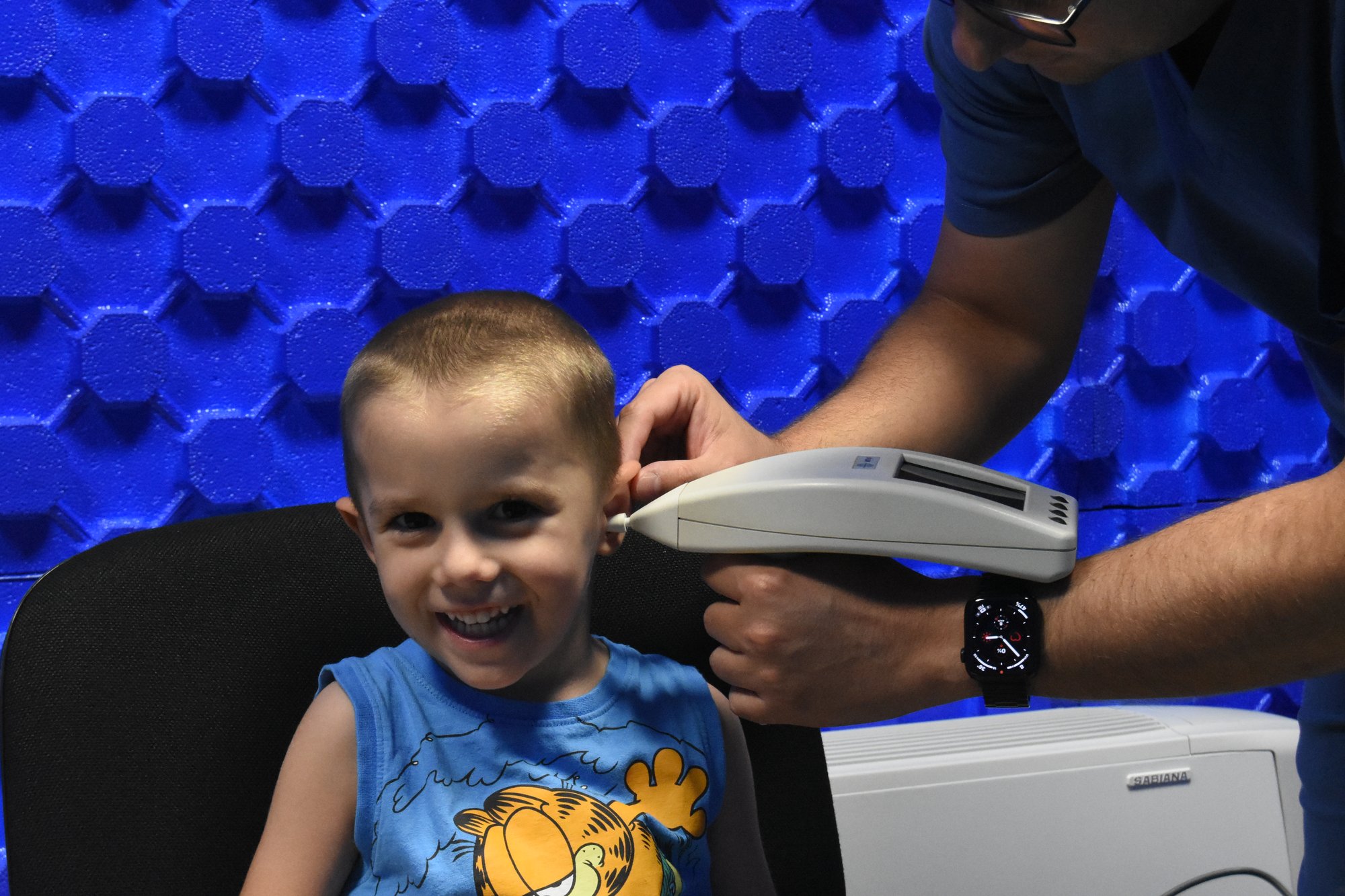
Tympanometry + audiometry
Hearing diagnostics — tympanometry shows the middle-ear status, and audiometry in a soundproof booth precisely measures hearing thresholds.
When it’s time for an ENT exam for your child
- The child snores at night or sleeps with the mouth open
- Frequent sore throats or tonsillitis more than a few times per year
- Hears poorly, watches TV too loud, doesn’t respond when called
- Recurrent ear infections — more than 3 per year
- Mouth breathing during the day or at night
- Blocked nose persisting without a cold
- Unexplained cough, especially at night
- Before preschool or school — routine check-up
What a child’s exam with us looks like
1
Conversation & history
First we talk with the parent about complaints, prior infections, and the child’s development. The child has time to get used to the room.
2
Exam — ear, nose, throat
Microscope for the ear, endoscope for the nose and pharynx. The exam is painless — younger children sit on the parent’s lap, older children on their own if comfortable.
3
Plan & explanation to the parent
We explain the findings in detail, recommend treatment or further workup. If surgery is needed — we discuss it as well, without pressure.
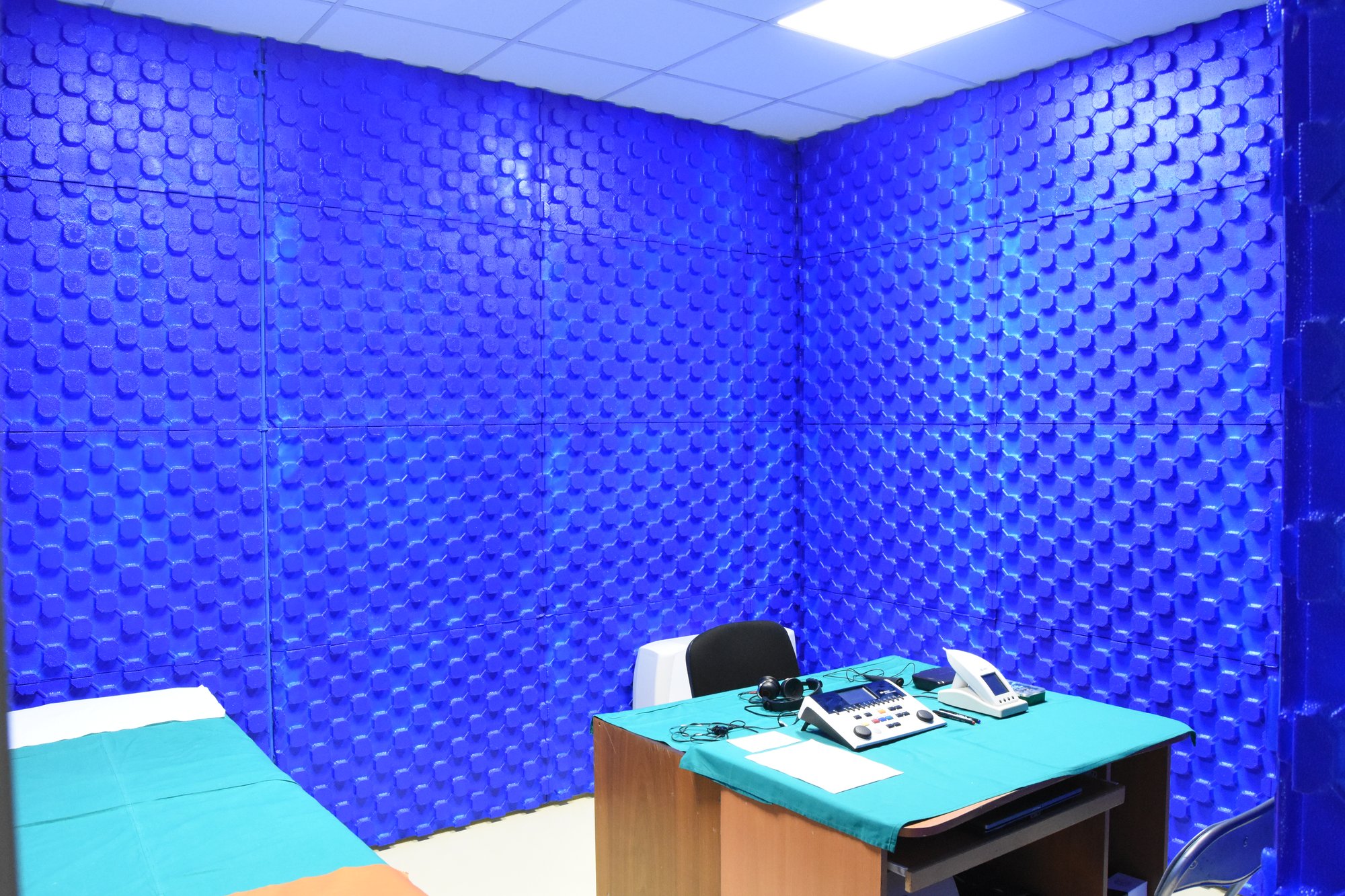
Audiometry booth — precise hearing thresholds
- Tympanometry — checks eardrum mobility and middle-ear status
- Pure-tone audiometry — measures hearing thresholds across frequencies
Consultation & second opinion
When surgery is needed — our role
Before any decision is made about a child’s surgery, our job is to use examination and diagnostics to clearly show whether surgery is truly needed — and to help the parent make a calm, informed decision.
Examination & diagnostics
Endoscopic exam of adenoids and tonsils, audiometry, tympanometry — everything needed to assess the situation and determine whether surgery is the right solution.
Second opinion
If someone has already proposed surgery, come to us for a second opinion. Our team with 23 years of experience reviews the findings thoroughly before the parent makes a decision.
Follow-up after surgery
After surgery we follow the child at scheduled check-ups — we verify healing, hearing, and breathing, and answer every parent’s question.
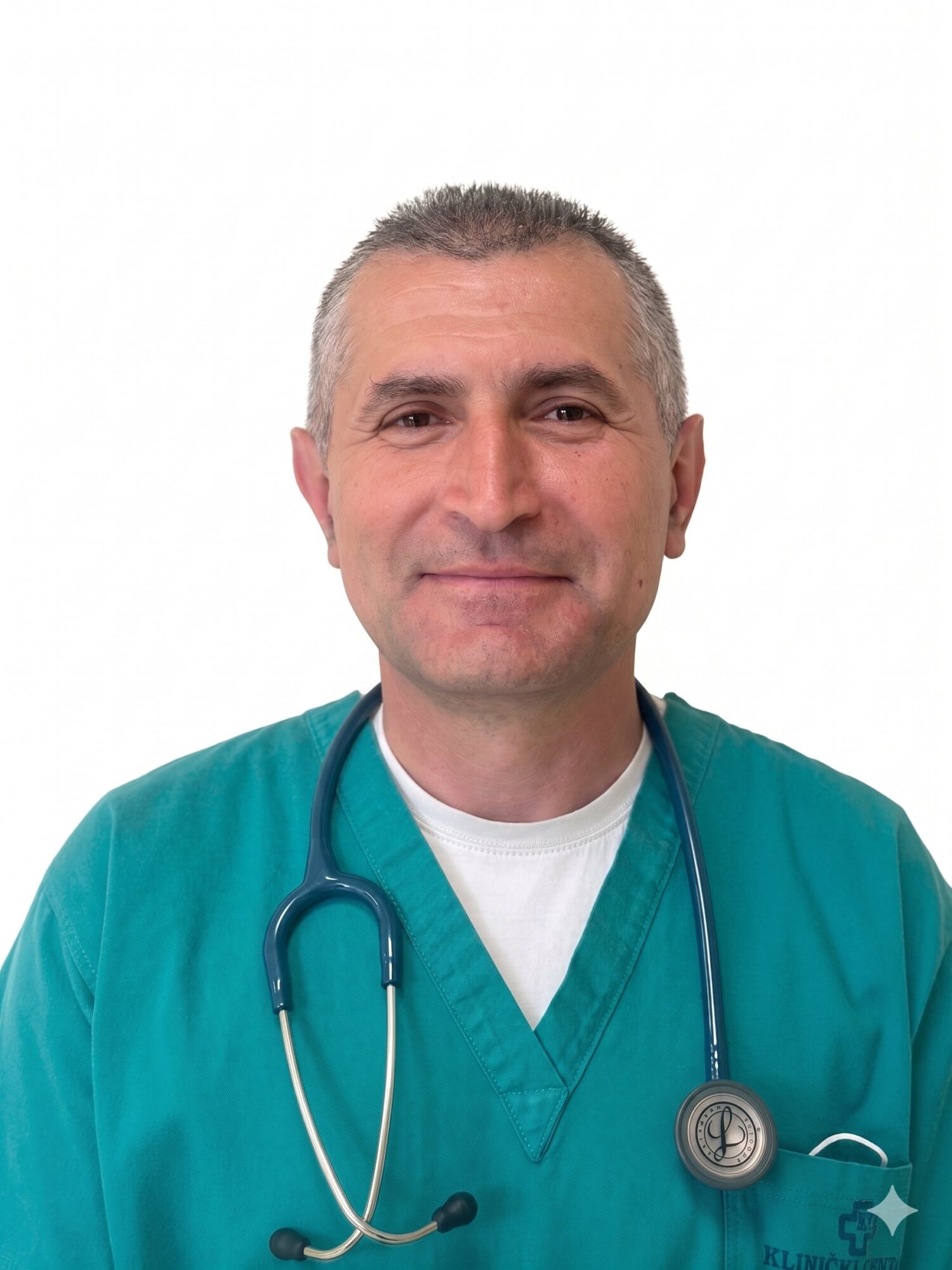
Dr. Zoran Gavrić
Anesthesiologist · subspecialist in pediatric anesthesia
Dr. Gavrić is our anesthesiologist. His subspecialty in pediatric anesthesia makes our operating room safe even for our youngest patients.
- Before surgery — examination, medical history, and risk assessment for every child
- During the procedure — continuous monitoring of vital signs
- After surgery — supervised recovery in our suite
- Pediatric anesthesia — safe, weight-based dosing for children with dedicated protocols
Questions parents ask most often
At what age can a child have an ENT exam?
At any age — from infants to adolescents. In infants we assess hearing with tympanometry; in young children through play and a careful exam; in older children, where cooperation is possible, with pure-tone audiometry.
Is the exam painful?
No. The microscope and endoscopic exams are painless. The endoscope we use with children is thin and flexible and enters gently through the nose. The parent is with the child throughout.
When is adenoid surgery seriously considered?
When enlarged adenoids lead to persistent mouth breathing, snoring, recurrent middle-ear infections with fluid, or hearing loss. We base the assessment on the endoscopic findings, audiometry, and clinical picture — never on a single parameter. If surgery is found to be justified, we explain the next steps to the parent in detail and help with preparation.
Is general anesthesia safe for a small child?
Anesthesia in children is administered by Dr. Zoran Gavrić, a subspecialist in pediatric anesthesia. Doses are tailored to age and weight, and monitoring is continuous.
Does the child stay at the clinic after surgery?
Yes. We have a recovery suite where the child spends time after the procedure, with a bed and space for the parent. Discharge happens only when the child has fully recovered and we’re sure everything is in order.
What should we bring to the exam?
Previous medical records (if you have them), prior reports (audiometry, tympanometry, discharge summaries), and a list of medications the child is taking. If the child has a favorite toy — feel free to bring it; it helps.
How long does a children’s exam take?
On average, 20–30 minutes. If audiometry and tympanometry are included — a little longer. We don’t rush — the child needs time to relax so we can get an accurate exam.
Schedule an ENT exam for your child
Examination, hearing diagnostics, or a consultation about surgery — reach us however suits you.