
Ear, hearing & balance
Ear, hearing, balance — modern ENT care
Hearing loss, ringing in the ears, vertigo, or recurrent ear infections — they all start with the same steps: a microscope exam of the ear, audiometry, and an honest conversation about what’s going on.
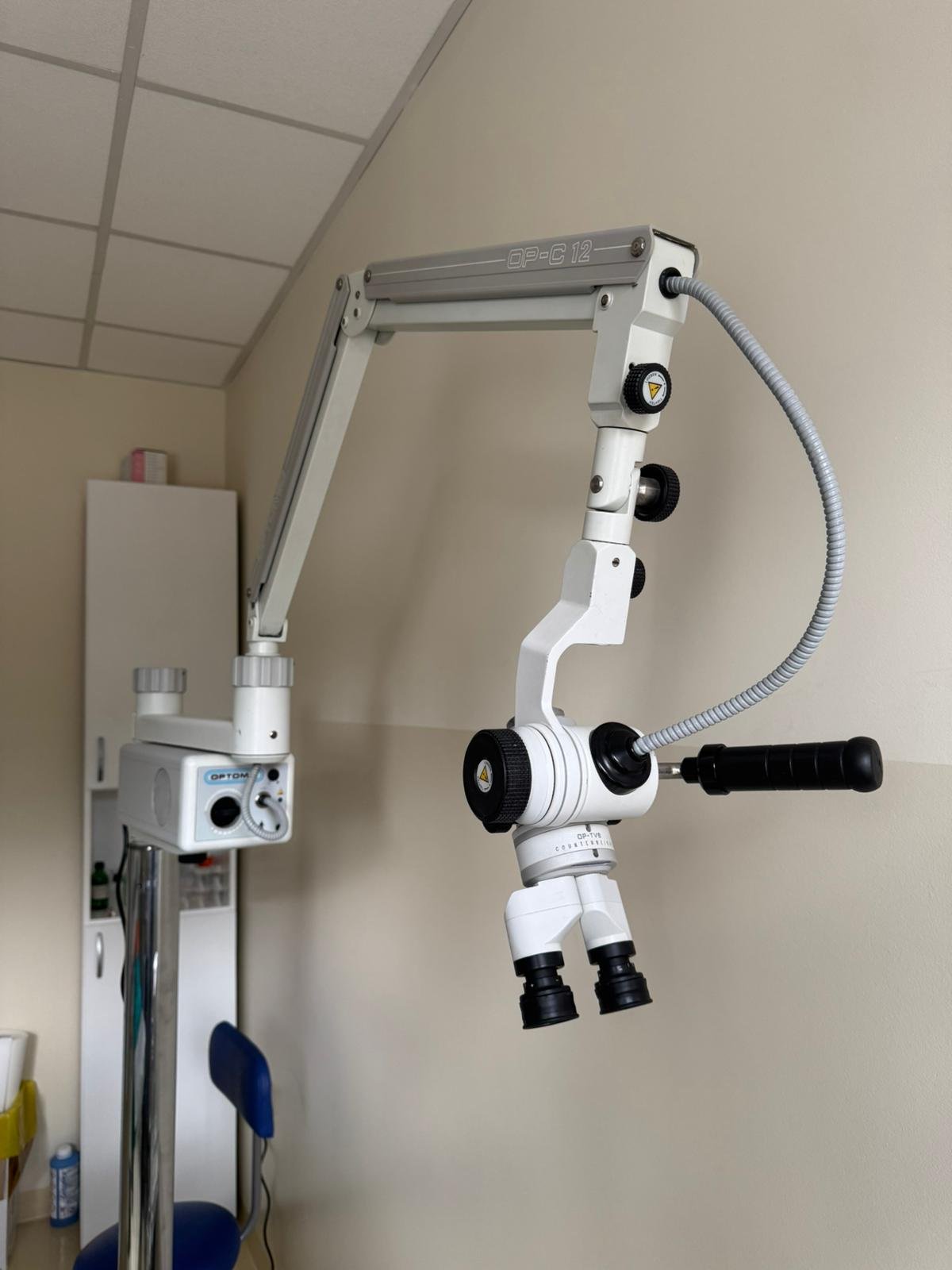
Microscope
ear examination
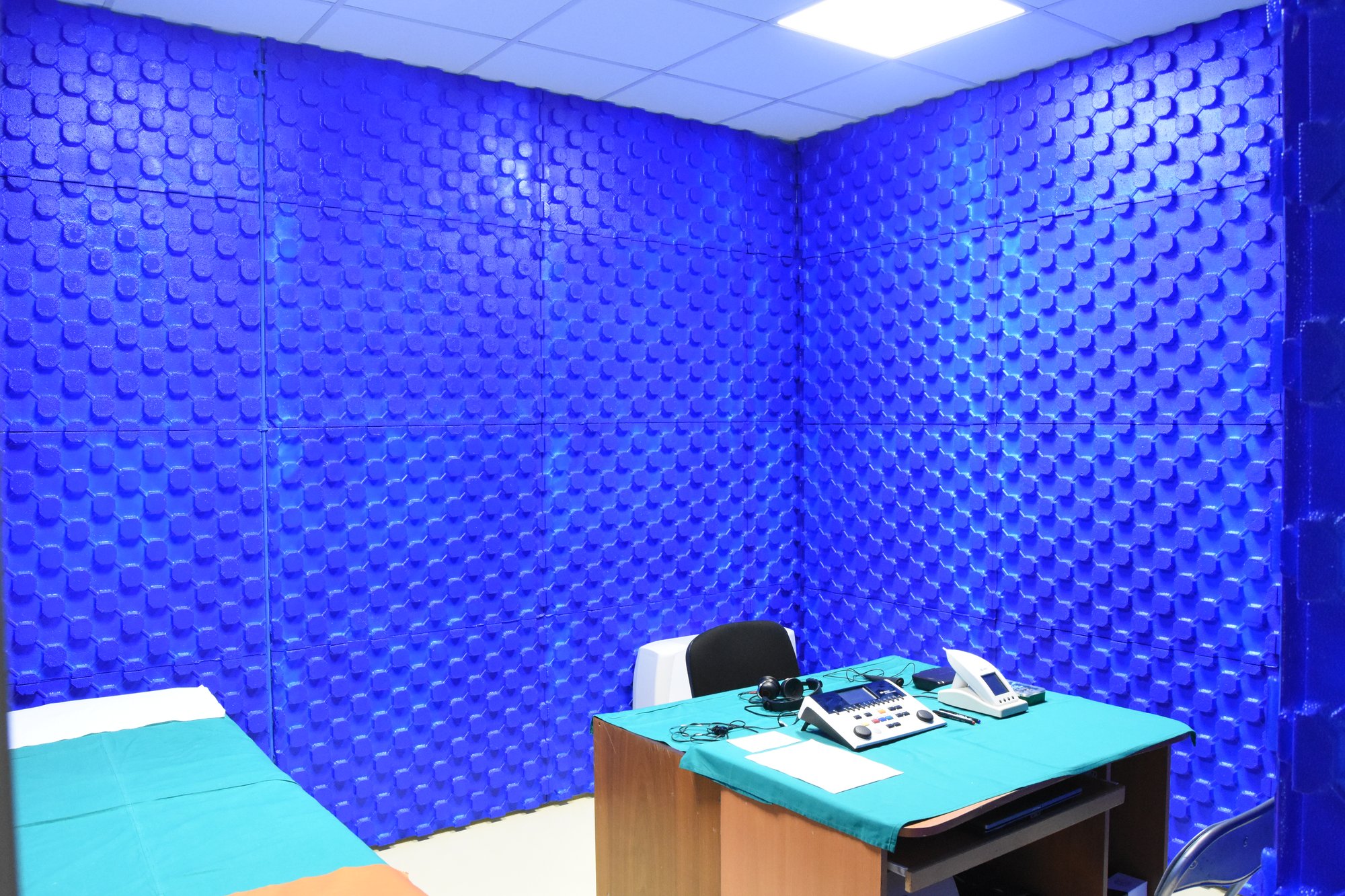
Audiometry
+ tympanometry
23 years
of ENT practice
Three ENT
specialists
The ear is both the organ of hearing and balance
The inner ear houses both the cochlea (hearing) and the semicircular canals (balance) — which is why an ear problem often means problems with hearing and balance at the same time. Understanding what’s happening requires a systematic approach, in order: examination, hearing test, balance test.
Hearing loss
A gradual decline (age-related presbycusis, noise exposure) or sudden loss — different causes, different treatments. Audiometry establishes the diagnosis.
Tinnitus (ringing)
A constant or intermittent sound in one or both ears. Often accompanied by hearing loss. Many forms can be eased with the right combination of treatment and education.
Vertigo
A sense of spinning or instability. Most often originating in the inner ear — BPPV, Ménière’s, vestibular neuritis. The exact diagnosis determines treatment.
Ear infections
Acute and chronic otitis, eardrum perforation, fungal infection of the external ear. A microscope exam immediately shows what’s going on.
When to schedule an ENT consultation
Hearing
- Reduced hearing — turning the TV up too loud, trouble understanding in noise
- Sudden hearing loss (serious — contact us the same day)
- Feeling of a blocked ear, as after a flight
- Ringing, buzzing, or whistling in the ear
Balance
- Brief episodes of vertigo, especially when turning the head
- Persistent unsteadiness when walking
- A spinning sensation with nausea
- Falls, instability in the dark
Pain & discharge
- Ear pain — especially lasting more than two days
- Discharge from the ear — clear, purulent, or bloody
- Itching in the ear canal
- Recurrent ear infections (≥3 per year)
The eardrum under the microscope — the most precise view
- Eardrum — color, appearance, retraction, perforation, scars
- Middle ear — fluid, otosclerosis, cholesteatoma — all visible through the translucent eardrum
- Microsurgical cleaning — cerumen, fungal debris, secretions — painless, controlled
Audiometry in a soundproof booth
- Pure-tone audiometry — hearing threshold for air and bone conduction
- Tympanometry — eardrum mobility and middle-ear pressure
Vertigo — causes & approach
The three most common ear-origin causes of vertigo
An accurate diagnosis changes everything — different causes require different approaches. Some forms of vertigo are resolved in 5 minutes during the exam; others require longer treatment.
BPPV (positional)
The most common form. Brief (10–30 second) intense vertigo when turning over in bed or looking up. Diagnosed with the Dix-Hallpike test, treated with the Epley maneuver — often resolved at the first visit.
Ménière’s disease
A triad of symptoms: episodes of vertigo lasting several hours, fluctuating hearing loss, tinnitus, and a feeling of ear fullness. Treatment is a combination of medications, a low-salt diet, and education.
Vestibular neuritis
Sudden severe vertigo lasting for days, with nausea and vomiting, without hearing loss. Most often viral in origin. Treatment: medications and vestibular rehabilitation.
What a visit with us looks like
1
Conversation & history
A detailed account of your symptoms — when they start, how long they last, what triggers them. Most of the vertigo diagnosis is uncovered right here.
2
Microscope + audiometry
Microscope exam, tympanometry, audiometry in the booth, and where indicated, vestibular tests (Dix-Hallpike, Epley maneuver) for vertigo.
3
Findings, plan, treatment
Written report, audiogram, clear treatment plan. Referrals for further workup (MRI, neurology) or for hearing-aid evaluation when indicated.
Frequently asked questions
I’ve suddenly started hearing much worse — is this urgent?
Yes — urgent. Sudden sensorineural hearing loss is a medical emergency — treatment efficacy depends on starting quickly (ideally within the first 72 hours, preferably the same day). Don’t wait for it “to pass.” If hearing loss is accompanied by vertigo, contact us even more urgently.
I’ve had tinnitus for a year — is there a cure?
There is no “magic cure” for every form of tinnitus, but the right approach significantly reduces the burden. Treatment includes: identifying and treating underlying causes (hearing loss, reflux, stress, certain medications), sound therapy, cognitive-behavioral approaches, education, and in some cases a hearing aid with a tinnitus masker.
Brief spells of vertigo in bed — but no other symptoms
Most likely BPPV — the most common form of vertigo. Small crystals in the inner ear move to the wrong place and trigger a brief, intense spinning sensation when you change head position. Diagnosis: the Dix-Hallpike test. Treatment: the Epley maneuver (1–3 minutes), often with an excellent result at the first visit.
I have ear wax — can I use cotton swabs?
No. Cotton swabs more often push the wax deeper toward the eardrum, where it compacts and causes hearing loss or infection. Cerumen is removed carefully in the clinic — under the microscope, painless, in a few minutes. At home you can only use softening drops (if recommended).
Do I need a hearing aid? How is that decided?
The decision is based on the audiogram + the day-to-day impact on your life. Hearing losses of 25–30 dB or more in the speech range usually benefit from a hearing aid. We explain the findings, tell you whether you’d genuinely benefit, and refer you to trusted specialized centers for device selection and fitting.
My ears often “block” on plane descents or in elevators
Most likely Eustachian tube dysfunction — the canal that equalizes pressure between the middle ear and the nasopharynx isn’t working properly. Often associated with allergy, chronic rhinitis, or reflux. Approach: treat the cause (allergy, sinusitis), Valsalva maneuvers, and in persistent cases balloon-catheter dilation as an option.
Ear and hearing exam — all in a single visit
Microscope exam, audiometry, tympanometry, vestibular testing — thoroughly, without rush.